

God bless you is one of the most common English expressions. People say it to wish someone well, show kindness, offer support, or respond after a sneeze. It carries warmth, care, and good intentions.
In many cultures, it also has a religious meaning, while in others it is simply a polite and friendly phrase.
Learning different ways to say God bless you helps you sound more natural in different situations. The words you choose can change your tone. Some expressions sound formal and respectful. Others feel friendly, casual, or professional. Using the right phrase makes your emails, conversations, speeches, and social media posts more effective.
For example:
- Formal: Wishing you peace and blessings.
- Informal: Take care!
Knowing these alternatives will improve your English vocabulary and help you communicate with confidence in both personal and professional settings.
What Does “God Bless You” Mean?
God bless you is an expression used to wish someone health, happiness, safety, success, or divine protection. It is also traditionally said after someone sneezes in many English-speaking countries.
Grammar Form
It is an expression (also called an interjection in some situations). It can also function as a blessing or a fixed phrase.
Similar Expressions
- May God be with you
- Blessings to you
- Take care
- Wishing you well
- Stay safe
- Peace be with you
Opposite Tone
While there is no direct opposite, expressions with a negative tone include:
- Ignore them.
- I don’t care.
- Good luck with that. (sarcastic in some contexts)
Example Sentences
- God bless you and your family during this difficult time.
- God bless you for all your kindness and support.
When to Use “God Bless You”
Spoken English
The phrase is common in everyday conversations. People use it after a sneeze, during farewells, or when wishing someone good health.
Example:
“God bless you. I hope everything goes well.”
Business English
In most workplaces, the phrase is acceptable only if you know the person well or work in a faith-based organization. Neutral alternatives are usually safer.
Example:
“Wishing you all the best with your new role.”
Emails and Messages
It works well in personal emails, holiday greetings, sympathy messages, and thank-you notes. In formal business emails, choose a more neutral closing.
Social Media
Many people write God bless you on birthdays, celebrations, achievements, or difficult life events to express care and encouragement.
Academic Writing
Avoid using God bless you in academic essays because it is conversational and often religious. Academic writing should stay objective.
Professional Meetings
The phrase is generally uncommon in meetings unless everyone shares the same cultural or religious background. Neutral expressions are usually preferred.
Is “God Bless You” Polite or Professional?
The answer depends on the situation.
Polite
Yes. It is widely considered polite when used sincerely.
Neutral
Not always. Because it includes a religious reference, some people may prefer more neutral language.
Strong
It can feel emotionally strong during difficult times, funerals, illnesses, or heartfelt conversations.
Soft
It sounds gentle and caring when used with close friends and family.
Formal vs. Informal
- Formal: Appropriate in religious settings, sympathy cards, and ceremonial speeches.
- Informal: Very common among friends, relatives, and neighbors.
Etiquette Tip: For corporate emails or professional communication with people from different backgrounds, choose neutral alternatives like “Best wishes,” “Take care,” or “Wishing you well.”
Pros & Cons of Using “God Bless You”
✔ Pros
- Shows kindness and compassion.
- Expresses sincere good wishes.
- Common in everyday English.
- Suitable after someone sneezes.
- Works well in religious conversations.
- Creates a warm and personal tone.
✘ Cons
- May not suit formal business communication.
- Contains religious language that may not fit every audience.
- Can sound overly personal in professional settings.
- Not appropriate for academic writing.
- Some international audiences prefer neutral expressions.
Quick Alternatives List

- Best wishes
- Take care
- Stay safe
- Wishing you well
- May God be with you
- Blessings to you
- Peace be with you
- All the best
- Warm wishes
- Thinking of you
- Hope everything goes well
- Sending my prayers
- Good health to you
- May you be blessed
- Have a wonderful day
- Keep well
- Stay blessed
- May peace be with you
Blessings to You
Meaning:
A warm way to wish someone happiness, peace, and good fortune.
Explanation:
This expression sounds caring and sincere. It is common in religious conversations, greeting cards, and supportive messages. It feels slightly more formal than God bless you but still warm and personal.
Grammar Note:
Fixed expression.
Example Sentence:
Blessings to you and your family during the holiday season.
Best Use:
Formal, personal emails, greeting cards, religious events.
Worst Use:
Corporate reports or academic papers.
Tone:
Friendly, Formal.
Level:
Beginner.
Similarity Score:
10/10
Replaceability Tip:
Use this when you want to sound heartfelt while keeping a respectful tone.
May God Be With You
Meaning:
A prayer asking for God’s guidance and protection.
Explanation:
This phrase carries a strong religious meaning. It is often heard during difficult moments, farewells, or emotional conversations.
Grammar Note:
Blessing phrase.
Example Sentence:
May God be with you wherever life takes you.
Best Use:
Religious gatherings, sympathy messages, family conversations.
Worst Use:
General workplace communication.
Tone:
Formal, Strong.
Level:
Intermediate.
Similarity Score:
10/10
Replaceability Tip:
Choose this when you want a deeper spiritual message than God bless you.
Stay Blessed
Meaning:
A friendly wish for continued happiness and success.
Explanation:
This expression is popular in spoken English, text messages, and social media. It is positive, simple, and encouraging.
Grammar Note:
Imperative expression.
Example Sentence:
Thank you for your help. Stay blessed!
Best Use:
Friends, social media, text messages.
Worst Use:
Highly formal business communication.
Tone:
Friendly.
Level:
Beginner.
Similarity Score:
9/10
Replaceability Tip:
Use it when ending casual conversations with warmth.
Take Care
Meaning:
A polite way to wish someone safety and good health.
Explanation:
Unlike God bless you, this phrase is completely neutral. It works with almost everyone and is common in everyday English.
Grammar Note:
Farewell expression.
Example Sentence:
It was great talking with you. Take care!
Best Use:
Emails, conversations, workplace, friends.
Worst Use:
Religious ceremonies where a blessing is expected.
Tone:
Neutral, Friendly.
Level:
Beginner.
Similarity Score:
8/10
Replaceability Tip:
Choose this when speaking to people from different cultures or beliefs.
Wishing You Well
Meaning:
A polite expression of goodwill and support.
Explanation:
This phrase is suitable for personal and professional situations. It sounds thoughtful without being overly emotional.
Grammar Note:
Verb phrase.
Example Sentence:
Wishing you well as you begin your new job.
Best Use:
Business emails, personal messages, farewell notes.
Worst Use:
Responding after someone sneezes.
Tone:
Professional, Neutral.
Level:
Beginner.
Similarity Score:
8.5/10
Replaceability Tip:
Use this in professional writing when God bless you feels too personal.
Best Wishes
Meaning:
A formal way to express hope for someone’s success or happiness.
Explanation:
This is one of the safest and most versatile alternatives. It is common in letters, emails, greeting cards, and professional communication.
Grammar Note:
Noun phrase.
Example Sentence:
Best wishes for your future success.
Best Use:
Business emails, graduation cards, congratulations.
Worst Use:
After someone sneezes.
Tone:
Professional, Formal.
Level:
Beginner.
Similarity Score:
8/10
Replaceability Tip:
Use this whenever you want a respectful and universally accepted closing.
Stay Safe
Meaning:
A wish for someone’s protection and well-being.
Explanation:
This phrase became especially common during health emergencies and natural disasters. It now works in many everyday situations.
Grammar Note:
Imperative phrase.
Example Sentence:
Have a safe trip. Stay safe!
Best Use:
Travel, emergencies, workplace, friends.
Worst Use:
Religious blessings where spiritual language is expected.
Tone:
Friendly, Caring.
Level:
Beginner.
Similarity Score:
7.5/10
Replaceability Tip:
Choose this when physical safety is your main concern.
Peace Be With You
Meaning:
A respectful wish for peace and comfort.
Explanation:
This expression is widely used in religious traditions but is also understood as a sincere wish for calm and harmony.
Grammar Note:
Traditional blessing.
Example Sentence:
Peace be with you during this difficult time.
Best Use:
Religious services, sympathy messages, ceremonies.
Worst Use:
Casual office chats.
Tone:
Formal, Gentle.
Level:
Intermediate.
Similarity Score:
9/10
Replaceability Tip:
Use this when offering comfort and emotional support.
All the Best
Meaning:
A common expression that wishes someone success, happiness, or good luck.
Explanation:
All the best is one of the most popular alternatives to God bless you. It is friendly, positive, and works in both personal and professional situations. Unlike the original phrase, it does not include religious language, making it suitable for a wider audience.
Grammar Note:
Fixed expression.
Example Sentence:
All the best for your new job.
Best Use:
Business emails, school, workplace, conversations.
Worst Use:
After someone sneezes.
Tone:
Friendly, Professional.
Level:
Beginner.
Similarity Score:
8/10
Replaceability Tip:
Choose this when you want to sound encouraging without mentioning religion.
Warm Wishes
Meaning:
A kind expression that sends heartfelt good wishes.
Explanation:
This phrase sounds gentle and sincere. It is often used in greeting cards, holiday messages, and thank-you emails. It creates a warm and respectful tone.
Grammar Note:
Noun phrase.
Example Sentence:
Warm wishes to you and your loved ones this holiday season.
Best Use:
Greeting cards, emails, celebrations.
Worst Use:
Casual text messages after someone sneezes.
Tone:
Formal, Friendly.
Level:
Intermediate.
Similarity Score:
7.5/10
Replaceability Tip:
Use this when writing thoughtful messages or holiday greetings.
Thinking of You
Meaning:
A caring way to let someone know they are in your thoughts.
Explanation:
This expression shows emotional support. It is often used when someone is sick, grieving, or facing a difficult time. It focuses on compassion rather than religion.
Grammar Note:
Verb phrase.
Example Sentence:
Thinking of you during this challenging time.
Best Use:
Sympathy cards, personal messages, emails.
Worst Use:
Business meetings or formal reports.
Tone:
Soft, Caring.
Level:
Intermediate.
Similarity Score:
7/10
Replaceability Tip:
Use this when comfort is more important than offering a blessing.
Hope Everything Goes Well
Meaning:
A simple wish that things turn out successfully.
Explanation:
This phrase is easy to understand and suitable for learners. It works well in conversations, emails, and text messages. It sounds natural in modern English.
Grammar Note:
Sentence expression.
Example Sentence:
Hope everything goes well with your interview tomorrow.
Best Use:
Emails, workplace, friends.
Worst Use:
Religious ceremonies.
Tone:
Neutral, Friendly.
Level:
Beginner.
Similarity Score:
7/10
Replaceability Tip:
Choose this when encouraging someone before an important event.
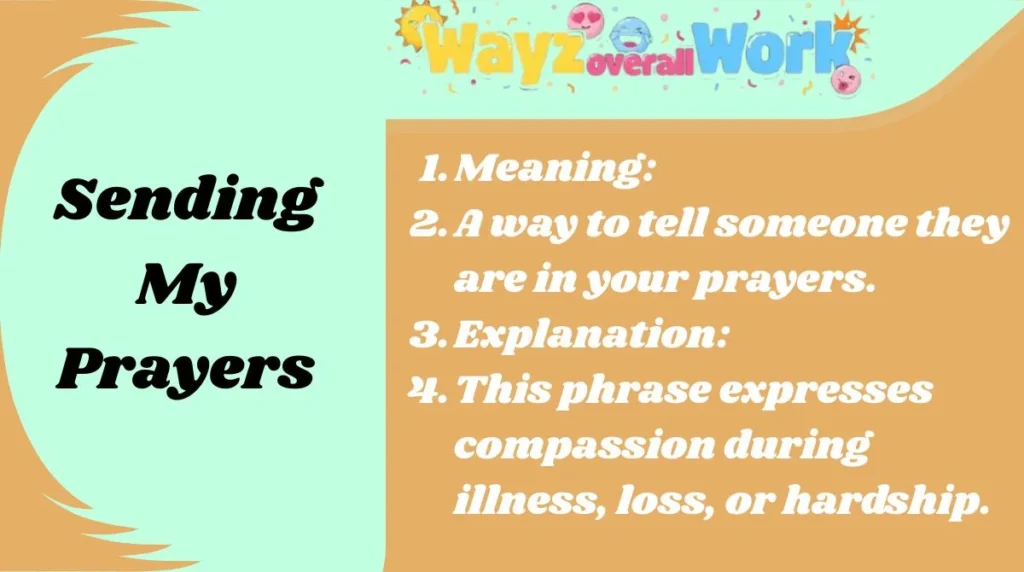
Sending My Prayers
Meaning:
A way to tell someone they are in your prayers.
Explanation:
This phrase expresses compassion during illness, loss, or hardship. It has a clear religious meaning and is often used in sympathy messages.
Grammar Note:
Verb phrase.
Example Sentence:
Sending my prayers to you and your family.
Best Use:
Condolence messages, personal conversations.
Worst Use:
Formal corporate communication.
Tone:
Strong, Compassionate.
Level:
Intermediate.
Similarity Score:
9/10
Replaceability Tip:
Use this when offering emotional and spiritual support.
May You Be Blessed
Meaning:
A respectful wish for God’s favor and happiness.
Explanation:
This expression is slightly more formal than God bless you. It is common in religious speeches, celebrations, and heartfelt messages.
Grammar Note:
Blessing phrase.
Example Sentence:
May you be blessed with good health and happiness.
Best Use:
Religious events, family gatherings.
Worst Use:
Academic writing.
Tone:
Formal, Respectful.
Level:
Intermediate.
Similarity Score:
10/10
Replaceability Tip:
Choose this when you want your blessing to sound elegant and sincere.
Keep Well
Meaning:
A polite wish for continued health.
Explanation:
This phrase is especially common in British English. It is simple, natural, and appropriate for emails and conversations.
Grammar Note:
Imperative phrase.
Example Sentence:
It was lovely seeing you. Keep well.
Best Use:
Professional emails, personal messages.
Worst Use:
Religious blessings.
Tone:
Professional, Neutral.
Level:
Beginner.
Similarity Score:
7.5/10
Replaceability Tip:
Use this instead of God bless you when you want a neutral farewell.
Have a Wonderful Day
Meaning:
A cheerful wish for someone to enjoy their day.
Explanation:
Although it is not a direct blessing, it expresses kindness and positivity. It is common in customer service, emails, and everyday conversations.
Grammar Note:
Imperative sentence.
Example Sentence:
Thank you for visiting. Have a wonderful day!
Best Use:
Customer service, workplace, casual conversations.
Worst Use:
Sympathy messages.
Tone:
Friendly, Positive.
Level:
Beginner.
Similarity Score:
6.5/10
Replaceability Tip:
Choose this when ending a conversation politely.
Mini Dialogue Examples
Formal Conversation
Manager: I heard your father is recovering from surgery.
Employee: Yes, thankfully he is feeling much better.
Manager: I’m glad to hear that. Wishing you well, and best wishes to your family.
Informal Conversation
Emma: I’m leaving for my trip tomorrow.
Liam: That’s exciting!
Emma: Thanks!
Liam: Take care and stay safe. Have an amazing time.
Business Email Example
Subject: Congratulations on Your Promotion
Dear Sarah,
Congratulations on your well-deserved promotion. Your hard work has truly paid off. All the best as you begin this exciting new role. I wish you continued success.
Kind regards,
David
Mistakes to Avoid
Many English learners make small mistakes when using God bless you and its alternatives. Avoid these common errors.
- Using God bless you in every business email, even when a neutral phrase would sound more professional.
- Saying Best wishes after someone sneezes. Native speakers usually say Bless you or God bless you instead.
- Using religious expressions with people who may prefer neutral language.
- Choosing very casual phrases in formal speeches or official letters.
- Repeating the same expression again and again instead of varying your vocabulary.
- Using Stay blessed in academic essays or research papers.
- Mixing formal and informal tones in the same message.
Cultural & Tone Tips
UK English
British English speakers often use Bless you after a sneeze. In professional communication, phrases such as Best wishes and Kind regards are much more common than God bless you.
US English
In American English, God bless you is widely understood. It is often heard after sneezing and in personal conversations. Neutral alternatives are still preferred in many workplaces.
Casual Social English
Among friends, people frequently say:
- Take care
- Stay safe
- All the best
- Have a great one
- Stay blessed
These expressions sound friendly and natural without feeling too formal.
Comparison Table
| Phrase | Tone | Best Context | Professional Level | Example |
|---|---|---|---|---|
| Best Wishes | Formal | Emails | High | Best wishes for your future success. |
| Take Care | Friendly | Daily conversation | High | Take care on your journey. |
| All the Best | Neutral | Workplace | High | All the best in your new role. |
| Wishing You Well | Professional | Business emails | Very High | Wishing you well in your new position. |
| Stay Safe | Caring | Travel | Medium | Stay safe during your trip. |
| Blessings to You | Warm | Religious events | Medium | Blessings to you and your family. |
| May You Be Blessed | Formal | Ceremonies | Medium | May you be blessed with peace. |
Frequently Asked Questions
Is God bless you rude?
No. It is generally considered polite and kind when used sincerely.
Is it okay to use God bless you in emails?
Yes, in personal emails. For business emails, neutral expressions like Best wishes are usually better.
What is the most formal alternative?
Wishing you well and Best wishes are among the most formal choices.
What is the most polite alternative?
Take care is polite, natural, and suitable in almost every situation.
Which alternative is best for beginners?
All the best, Take care, and Best wishes are simple and easy to use.
Which alternative is closest to God bless you?
May you be blessed and Blessings to you are the closest in meaning and tone.
Conclusion
Using different ways to say God bless you makes your English more flexible and natural.
The best expression depends on your audience, purpose, and situation. Some alternatives sound formal and professional, while others are warm, friendly, or deeply meaningful.
Learning these expressions helps you write better emails, speak more confidently, and communicate with respect in different settings. Practice using several of these phrases in real conversations, messages, and workplace communication.
Over time, choosing the right words will become easier, and your English will sound more fluent and polished.

Rashmeer is a passionate writer and content creator dedicated to delivering clear, engaging, and reliable information. With a focus on quality and authenticity, Rashmeer creates content that informs, inspires, and helps readers discover practical ideas and fresh perspectives.